

Photo & Video Digitizing in Wakefield, RI
We partner with Charter Oak Scanning to convert your old media into digital files you can view on a computer, phone or TV. Charter Oak Scanning comes directly to our shop for pickup and drop-off, so your precious media is never mailed. It's always in trusted hands, and returned to you once the transfer is complete.
If you've been looking for VHS to USB service near you, this is a straightforward way to do it without shipping irreplaceable tapes across the country.
What We Digitize
- Video: VHS, VHS-C, MiniDV, Betamax, Hi-8, Digital-8, ¾" U-Matic, Betacam, S-VHS, S-VHS-C, Type C
- Film: 8mm film transfer, Super 8, 16mm film reel to digital
- Photos: our photo scanning service covers prints, 35mm slide conversion, 35mm negatives and other negatives
- Documents: paper documents and scrapbooks
- Audio: vinyl records, ¼" audio reel, cassette, ADAT, DAT, PCM audio
Why Old Media Fails
Understanding how these formats deteriorate makes the urgency clearer, and it explains why some tapes come back better than others.
Magnetic Tape
Videotape stores images as magnetic particles bound to a plastic backing. Two things go wrong over time. The magnetic signal weakens gradually, a process called remanence decay, which shows up as picture noise and color loss. More seriously, the binder holding the particles to the backing absorbs moisture and breaks down, a condition known as sticky shed syndrome.
Film
Acetate film stock is subject to vinegar syndrome, a chemical decomposition that produces an acetic odor and causes the film to shrink, curl and become brittle. Once it begins, it accelerates and can spread to other reels stored nearby. Film stored in a warm attic or a damp basement deteriorates considerably faster than film kept in stable, cool conditions.
Photographic Prints and Slides
Color prints and slides fade as their dye layers break down, and the three layers rarely fade at an equal rate. That uneven loss is why old photographs so often shift toward red or orange. Kodachrome slides are a notable exception, having proven unusually stable, while many other color processes from the same decades have not.
Why Digitize Now
People usually decide to digitize old photos and tapes when something forces the issue — a move, an anniversary, or a parent downsizing. It is worth doing sooner. VHS tape degrades measurably every year it sits in a closet, and magnetic tape from the 1980s and 1990s is already well past its expected lifespan. Film reels become brittle, and photo prints fade. Converting to digital stops the clock and makes the footage watchable again on devices people actually use.
What Digitizing Preserves
Converting to digital captures the material in its current condition. It doesn't reverse deterioration that has already occurred, but it stops the clock, and a digital file can be copied indefinitely without further generational loss. That's the fundamental difference: analog media degrades every year and every time it's played, while a digital copy does not.
A Memorable Find
One of our favorite digitizing projects turned up a customer's parents' wedding movies from the 1940s — footage that had been sitting untouched for decades before it was finally converted and watchable again.
Damaged or Moldy Media
Damaged and moldy tapes are assessed individually, and they can often still be recovered. There's no charge for anything that turns out to be unrecoverable, so there's no risk in having a damaged tape looked at.
Pricing
Digitizing is priced per tape or item. Charter Oak Scanning will email you an estimate before any processing begins, so there are no surprises.
VHS to digital conversion starts at $11 per tape for delivery via Dropbox or a Google Drive link, or starting at $15.95 for delivery on a flash drive.
Getting Your Files Back
Most customers prefer to receive their digital files on a USB drive, though other delivery options are available. Your original media is always returned to you along with the digital copies.
Once Everything Is Digital
Customers regularly discover images worth reprinting once they can finally see what's on those tapes and slides. We can restore damaged photos, print them, and frame them in the same shop.
Common Questions About Digitizing
How long does digitizing take?
Most orders take 1 to 3 weeks, depending on the size of the order.
How much does it cost to convert VHS to digital?
Starting at $11 per tape for a Dropbox or Google Drive link, or starting at $15.95 for delivery on a flash drive. Charter Oak Scanning emails an estimate before processing your order.
Will my tapes be mailed anywhere?
No. Charter Oak Scanning picks up and drops off directly at our shop, so your media never goes into the mail.
What format do I get back?
Most customers choose a USB drive, which plays on a computer, phone or smart TV. Other options are available if you'd prefer something else, including VHS to DVD conversion.
What if a tape is damaged or moldy?
Bring it in. Damaged media is assessed individually and can often be recovered, and there's no charge for anything unrecoverable.
Will I get my originals back?
Yes, always. Your tapes, reels, slides and photos are returned to you alongside the digital files.
Schedule a drop-off or see all our photo and printing services.
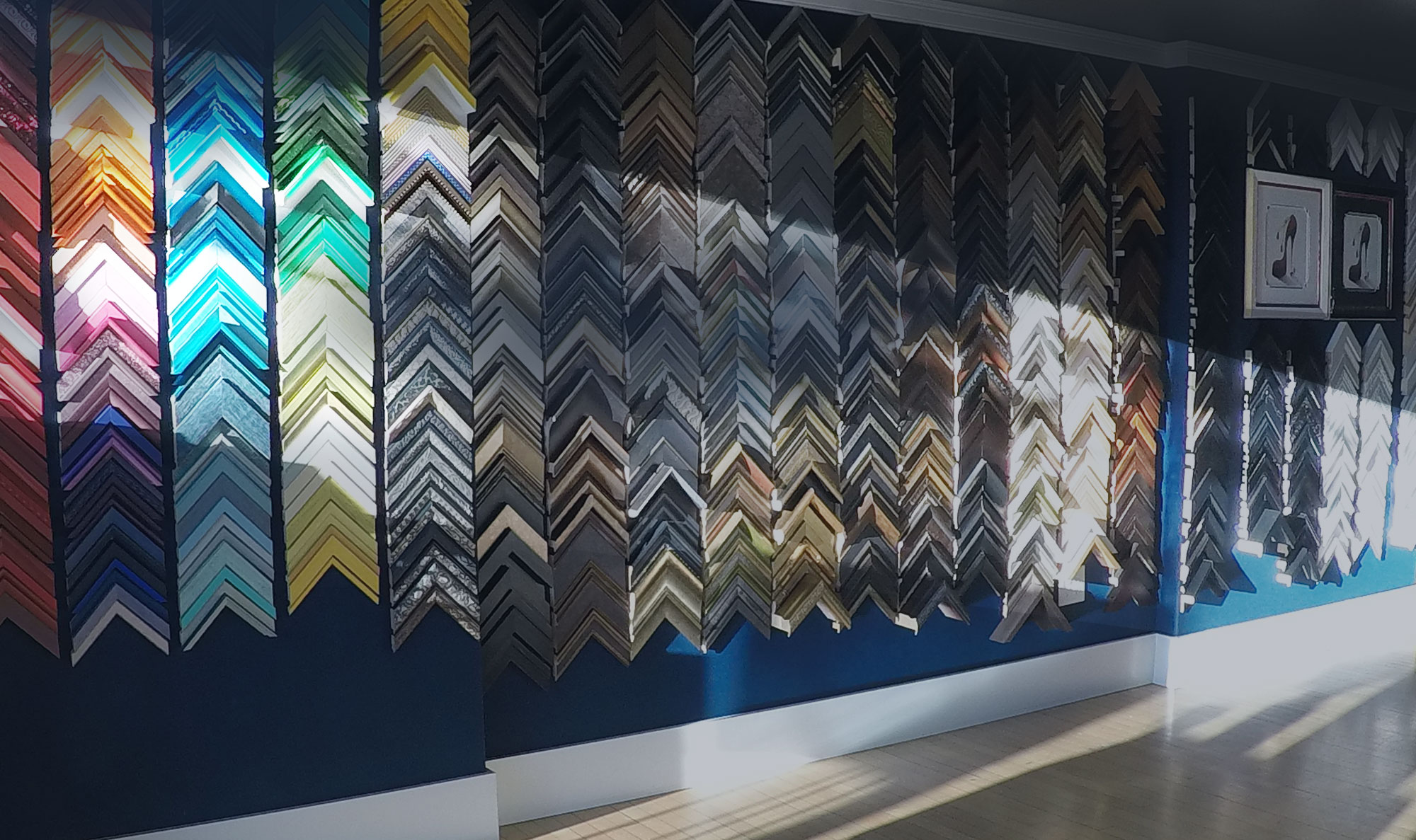
Finishing Touches
We assist each client in finding just the right design and combination of materials that is best for the artwork and suits the individual’s tastes and budget. We deliver the best quality workmanship ensuring that your framed artwork can be enjoyed and appreciated forever.